

This article covers how to help kids make friends. Making friends is an essential part of a child’s emotional and social development. Friendships help children build self-esteem, learn empathy, and develop critical communication skills. However, not all children find it easy to make friends. Some may struggle with shyness, social anxiety, or lack of confidence. As parents and caregivers, you play a crucial role in supporting your child’s social growth. This guide offers practical strategies to help children navigate social interactions, build meaningful connections, and develop the skills necessary to foster lasting friendships. By actively participating in their social development, you can ensure your child feels confident in their relationships. After reading the complete guide you will be a master of How to Help Kids Make Friends
Understanding the Challenges Kids Face in Making Friends
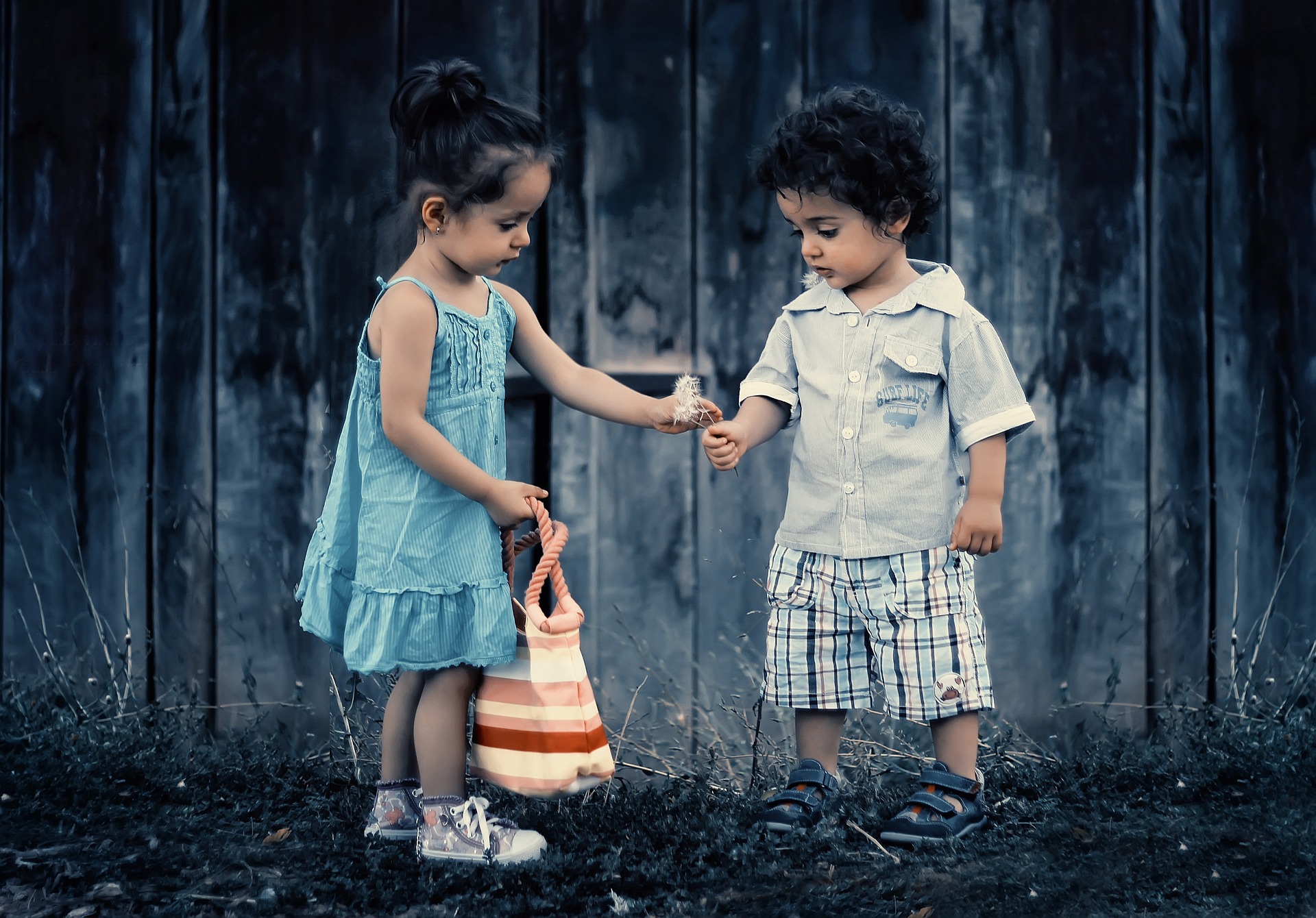
The question “How to Help Kids Make Friends?” involves understanding kids’ social behavior. Children often face various challenges when it comes to making friends. Shyness or social anxiety can make it difficult for some kids to initiate conversations or interact with others. Others may struggle with low self-esteem or lack confidence, making them hesitant to join social groups. Additionally, age differences in developmental stages can affect how children form friendships—what works for a preschooler may not be effective for a teenager. The rise of digital technology and social media also introduces new challenges, sometimes isolating kids or making in-person interactions feel awkward. Understanding these challenges helps parents guide their children effectively.
Building Social Skills at Home
Building strong social skills at home is essential for helping children navigate friendships. Parents can encourage communication by teaching children how to listen actively, express themselves clearly, and ask open-ended questions to keep conversations going. Role-playing different social situations, such as introducing oneself or resolving a conflict, can build confidence and prepare kids for real-life interactions. Activities that require teamwork, like board games or collaborative projects, teach children how to share, take turns, and compromise. Parents can also model positive social behaviors by showing empathy, kindness, and patience in their own interactions. Creating a supportive and open environment at home allows children to practice these skills, making them more prepared for socializing outside the home.
Creating Opportunities for Social Interaction
Creating opportunities for social interaction is key to helping children make friends. Parents can encourage participation in extracurricular activities like sports, dance, music classes, or art clubs, where children can meet peers with similar interests. Organizing playdates or small group activities, such as visits to the park or community events, provides a relaxed setting for children to connect. Involvement in community-based activities, like volunteering or joining local youth organizations, further expands their social circles. Parents can also look for after-school programs or summer camps that foster social interactions. The goal is to provide children with a variety of environments where they can practice their social skills and form connections with others, building their confidence and comfort in different social settings.
Helping Kids Navigate Social Situations
Helping kids navigate social situations involves teaching them essential skills for successful interactions. Start by encouraging them to initiate conversations, and offering simple tips like asking questions or giving compliments. Role-playing different scenarios, such as introducing themselves or asking to join a game, helps them practice these skills. Teach children to recognize non-verbal cues, like body language and facial expressions, to understand how others are feeling and respond appropriately. It’s also important to guide kids in handling rejection or disagreements calmly, explaining that not every interaction will lead to a friendship. Helping children understand empathy and how to apologize when necessary fosters healthy relationships. By practicing these skills, children will feel more confident and capable of navigating various social situations.
Fostering Positive Relationships
Fostering positive relationships involves teaching children the values of kindness, respect, and empathy. Encourage them to include others, show appreciation, and celebrate differences in their peers, whether in interests, backgrounds, or personalities. Help children understand the importance of being supportive and understanding, especially during tough times or conflicts. Reinforce the idea that good friends communicate openly, listen actively, and respect one another’s feelings. By modeling these behaviors at home, children learn how to form healthy, lasting friendships. Promoting inclusivity and compassion not only strengthens their bonds but also cultivates a positive environment for social growth.
The Role of Parents in Supporting Friendships
Parents play a crucial role in supporting their children’s friendships by providing guidance, encouragement, and a safe space for social growth. First, parents can model positive social behaviors by demonstrating empathy, effective communication, and problem-solving in their own relationships. By showing interest in their child’s friendships, parents can help them navigate social challenges and offer advice when needed. It’s important to create opportunities for social interactions, such as organizing playdates, joining community activities, or encouraging participation in extracurriculars. Parents can also monitor and guide their children’s online interactions, ensuring they’re developing healthy digital habits. Equally important is respecting the child’s autonomy, allowing them to make their own choices in friendships while providing support when conflicts arise. By fostering an open and non-judgmental environment, parents can help their children develop the social skills and confidence needed to build and maintain lasting, positive friendships.
Signs That a Child Needs Extra Support
Some children may struggle more than others with making friends, and it’s important to recognize when they need extra support. Signs that a child may need help include persistent loneliness, consistently avoiding social situations, or expressing frustration or sadness about not having friends. A child who is frequently bullied or excluded may also require additional assistance. If a child has difficulty understanding social cues or struggles with emotional regulation in social settings, they might need guidance in building social skills. Other signs include extreme shyness, social anxiety, or withdrawal from group activities. In these cases, seeking support from a therapist, counselor, or school professional can help address underlying issues and provide strategies to improve social confidence and relationships.
Conclusion
This was all about How to Help Kids Make Friends. Helping kids make friends is a crucial aspect of their social and emotional development. By understanding the challenges children face, parents and caregivers can provide the right support to help them navigate social situations with confidence. Teaching essential social skills at home, creating opportunities for interaction, and fostering positive relationships are key steps in encouraging lasting friendships. Parents play an active role in guiding their children, whether by modeling healthy behaviors, facilitating social interactions, or offering advice in times of need. It’s also important to recognize when a child might need extra support, such as if they struggle with loneliness or social anxiety. Every child develops social skills at their own pace, and with patience and encouragement, they can learn to form meaningful connections. By staying involved and supportive, parents can ensure their children feel confident and capable of building strong, positive friendships that will benefit them throughout their lives.
More: Top Co-curricular Activities for Enhancing Social and Emotional Learning in Kids