

Bullying is a pervasive issue that affects individuals of all ages, backgrounds, and walks of life. It’s a behavior that can cause significant emotional distress, physical harm, and long-term psychological damage. As a society, we must take a proactive approach to preventing bullying and supporting those who are affected by it. In this article, we’ll explore the definition of bullying, its effects, and most importantly, strategies for dealing with bullying.
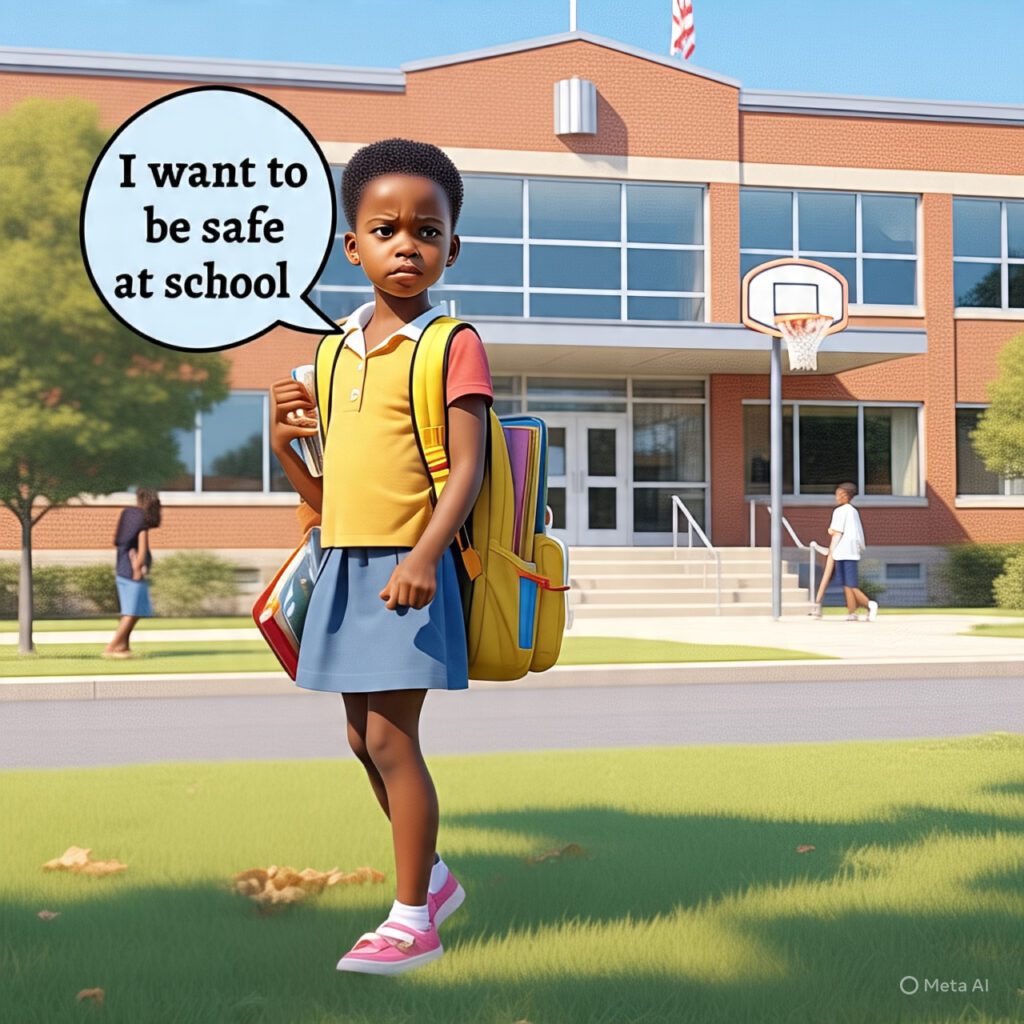
Understanding Bullying
Bullying is a form of aggressive behavior that involves an imbalance of power between the perpetrator and the victim. It can take many forms, including physical, verbal, social, and cyberbullying. Physical bullying involves physical contact, such as hitting, pushing, or kicking. Verbal bullying involves the use of words to harm or intimidate, such as name-calling, insults, or threats. Social bullying involves excluding or isolating someone from a group or social situation. Cyberbullying involves using technology to harass, threaten, or humiliate someone.
Signs of Bullying
Bullying can be difficult to detect, but there are several signs that may indicate someone is being bullied. These include:
– Physical signs, such as injuries, lost belongings, or changes in appetite or sleep patterns
– Emotional signs, such as anxiety, depression, fear, or mood swings
– Behavioral signs, such as avoiding social situations, becoming withdrawn or isolated, or exhibiting changes in behavior or performance
Strategies for Dealing with Bullying
Dealing with bullying requires a comprehensive approach that involves staying calm and safe, documenting incidents, and seeking support.
– Staying Calm and Safe:
When confronted with bullying, it’s essential to stay calm and prioritize your safety. This may involve walking away from the situation, finding a trusted adult, or avoiding confrontation.
– Documenting Incidents:
Keeping a record of incidents can help you track patterns and provide evidence when reporting bullying. This may involve saving messages, photos, or other forms of communication.
– Seeking Support:
Seeking support from trusted adults, such as parents, teachers, or counselors, is crucial in dealing with bullying. They can provide emotional support, help you develop a plan to stay safe, and intervene on your behalf.
Preventing Bullying
Preventing bullying requires a proactive approach that involves promoting empathy and kindness, building confidence and self-esteem, and creating a supportive environment.
– Promoting Empathy and Kindness: Encouraging positive relationships and practicing active listening and understanding can help prevent bullying.
– Building Confidence and Self-Esteem: Fostering a positive self-image and developing coping skills and resilience can help individuals withstand bullying.
– Creating a Supportive Environment: Establishing clear rules and consequences, encouraging bystander intervention, and promoting a culture of kindness and respect can help prevent bullying.
Supporting Someone Who’s Being Bullied
If someone you know is being bullied, it’s essential to provide emotional support and encourage them to seek help.
– Listening and Believing: Providing emotional support and validating their feelings can help them feel heard and understood.
– Encouraging Action: Helping them report incidents and supporting them in seeking help can empower them to take action.
The Role of Parents and Caregivers
Parents and caregivers play a vital role in preventing bullying and supporting those who are affected by it. They can:
– Talk to Their Children: Openly discussing bullying and its effects can help children understand the issue and seek help when needed.
– Monitor Their Children’s Behavior: Being aware of changes in behavior or mood can help parents identify potential bullying situations.
– Support School Initiatives: Collaborating with schools to implement anti-bullying programs and policies can help create a safer environment.
The Role of Schools and Communities
Schools and communities also play a crucial role in preventing bullying and supporting those who are affected by it. They can:
– Implement Anti-Bullying Programs: Developing and implementing programs that promote empathy, kindness, and respect can help prevent bullying.
– Establish Clear Policies: Developing and enforcing clear policies and consequences can help deter bullying behavior.
– Provide Support Services: Offering counseling, support groups, and other services can help individuals affected by bullying.
Conclusion
Dealing with bullying requires a comprehensive approach that involves staying calm and safe, documenting incidents, and seeking support. By promoting empathy and kindness, building confidence and self-esteem, and creating a supportive environment, we can prevent bullying and support those who are affected by it. Remember, bullying is never acceptable, and everyone deserves to be treated with kindness and respect.
More: Emotional Intelligence for Kids