
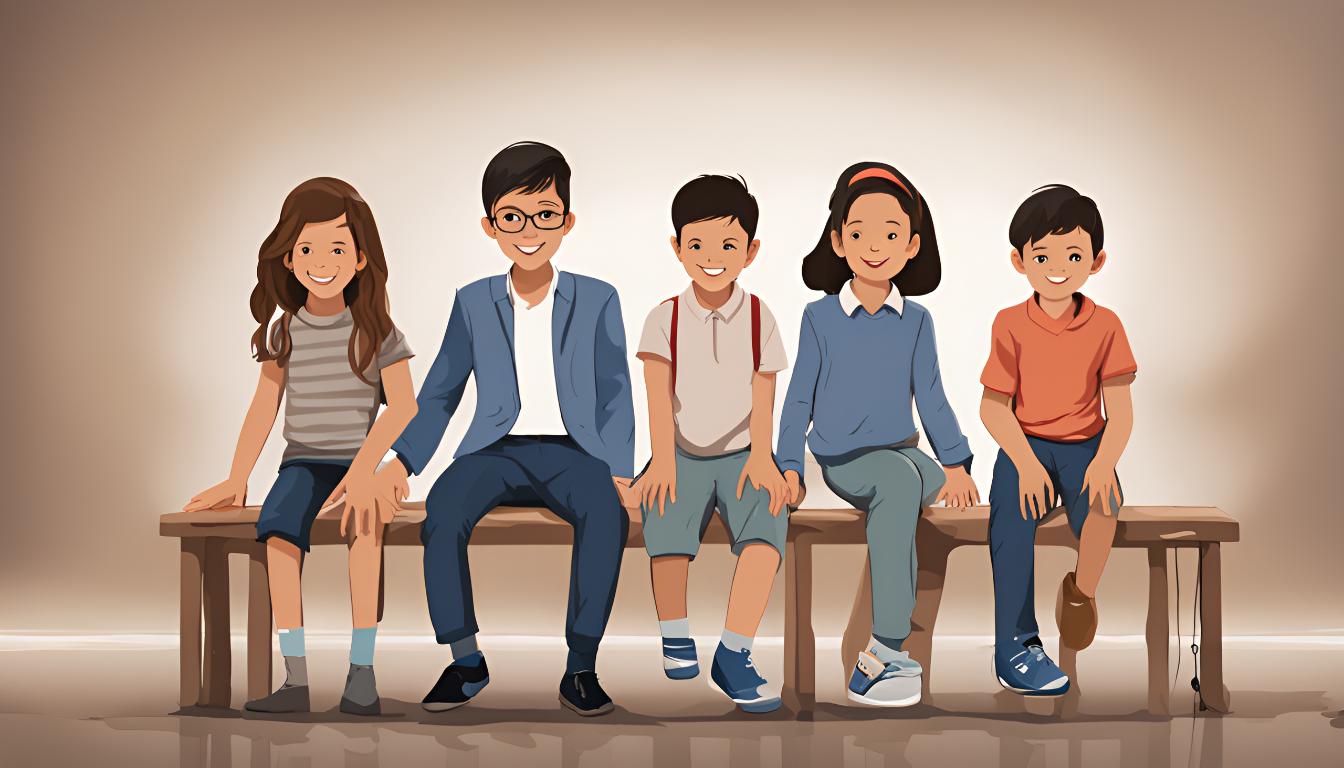
Building confidence in children is crucial for their emotional and social development. It involves creating a supportive environment where they feel valued and capable. Encouraging self-expression, setting achievable goals, and providing positive feedback are key strategies. Additionally, allowing children to solve problems independently fosters a sense of competence. Recognizing and celebrating their efforts and achievements helps build self-esteem. It’s important to model confident behavior and provide opportunities for them to explore new activities and challenges. By nurturing a positive self-image, parents and educators can help children develop the confidence needed to face life’s challenges with resilience.
Why Confidence Matters
Confidence is a vital component of a child’s overall well-being and development. It impacts their ability to take on new challenges, interact with peers, and perform academically. Children with high confidence are more likely to try new things, bounce back from setbacks, and stand up for themselves and others. They are better equipped to handle stress and are less likely to experience anxiety and depression. Confidence also fosters a positive self-image and encourages a proactive attitude toward learning and personal growth. When children believe in their abilities, they are more motivated to set and achieve goals, leading to greater success and fulfillment in life. Therefore, nurturing confidence in children is essential for their present and future happiness and success. Here are a few ways to answer the question “How to build up confidence in children.
Dont Be Aggressive On Their Failures
Being aggressive or overly critical about a child’s failures can severely damage their confidence and self-esteem. Instead, it’s important to approach their mistakes with understanding and support. Constructive feedback helps children learn and grow without feeling discouraged. Acknowledge their effort and encourage them to view failures as opportunities for learning and improvement. Offer guidance on how to overcome obstacles and emphasize that making mistakes is a natural part of the learning process. By creating a safe environment where children feel free to take risks and make mistakes, you help them build resilience and a positive attitude towards challenges, ultimately fostering their confidence and emotional well-being.
Allow Taking Risk
Allowing children to take risks is essential for building their confidence and resilience. When children are encouraged to step out of their comfort zones, they learn to navigate uncertainty and develop problem-solving skills. This process helps them understand their capabilities and limits, fostering a sense of independence and self-assurance. Parents and educators should provide safe opportunities for children to try new activities, make decisions, and face challenges. Support and guidance during these experiences are crucial, but stepping back and allowing them to take risks helps them gain confidence in their abilities, preparing them for future challenges with a stronger, more resilient mindset.
Address Them By Their Names
Addressing children by their names is a simple yet powerful way to build their confidence. Using a child’s name in conversation shows respect and acknowledgment, making them feel valued and important. It helps create a personal connection and fosters a sense of belonging and individuality. When children hear their names, it grabs their attention and reinforces that they are being recognized as unique individuals. This practice encourages open communication and participation, boosting their self-esteem and confidence. Consistently using their names can significantly impact their social and emotional development, making them feel seen and appreciated in their interactions.

Be Role Model
Being a role model is crucial in building a child’s confidence. Children often emulate the behavior of adults they admire, so demonstrating confidence, resilience, and a positive attitude can significantly influence their development. Show them how to handle challenges calmly and positively, and how to celebrate successes and learn from failures. Display self-assurance in your actions and decisions, and maintain a positive outlook. By witnessing your confident behavior, children learn to adopt similar attitudes and approaches. Moreover, consistent modeling of respectful and empathetic interactions teaches children to value themselves and others, reinforcing their self-worth and boosting their confidence in social situations.
Encourage Them To Express Themselves
Encouraging children to express themselves is essential for building their confidence and self-esteem. Providing a safe and supportive environment where they can share their thoughts, feelings, and ideas helps them feel valued and understood. Encourage open communication through active listening, validating their emotions, and asking open-ended questions. Allow them to explore different forms of self-expression, such as art, writing, or music. Celebrating their uniqueness and creativity reinforces their sense of self-worth. When children feel free to express themselves without fear of judgment, they develop a stronger sense of identity and confidence in their ability to communicate and interact with others.
Discourage Excessive And Unnecessary Talking
While it’s important to encourage children to express themselves, it’s equally crucial to discourage excessive and unnecessary talking to help them develop effective communication skills. Teach children the value of listening and understanding others, emphasizing that meaningful conversations involve both speaking and listening. Set boundaries and gently remind them when their talking becomes excessive, explaining the importance of being considerate of others’ time and space. Encourage them to think before they speak and to prioritize quality over quantity in their interactions. By guiding children to communicate thoughtfully and respectfully, you help them build better relationships and foster a balanced sense of confidence and self-awareness.
Give Them Tasks According to Their Age
Assigning tasks according to a child’s age is vital for building their confidence and fostering a sense of responsibility. Age-appropriate tasks help children develop new skills, gain independence, and feel competent. Start with simple chores or responsibilities that match their developmental level, gradually increasing the complexity as they grow. For younger children, this might include tidying up toys or setting the table, while older children can handle more complex tasks like cooking simple meals or managing a small project. Provide guidance and support, but allow them to complete tasks independently. Successfully accomplishing these tasks boosts their confidence and reinforces their ability to contribute meaningfully.
Dont Compare Them To Others
Avoiding comparisons between children is crucial for fostering their confidence and self-esteem. Each child is unique, with their own strengths and pace of development. Comparing them to siblings, friends, or classmates can lead to feelings of inadequacy and resentment, undermining their self-worth. Instead, focus on their individual progress and achievements. Celebrate their efforts and improvements, no matter how small, and encourage them to set personal goals. Highlighting their unique qualities and strengths helps them appreciate their individuality. Constructive feedback should be specific to their actions and growth, not in relation to others. By valuing each child’s unique journey, you nurture their confidence and motivation, creating a positive and supportive environment for their development.
More: Top 8 Educational Toys For Toddlers