
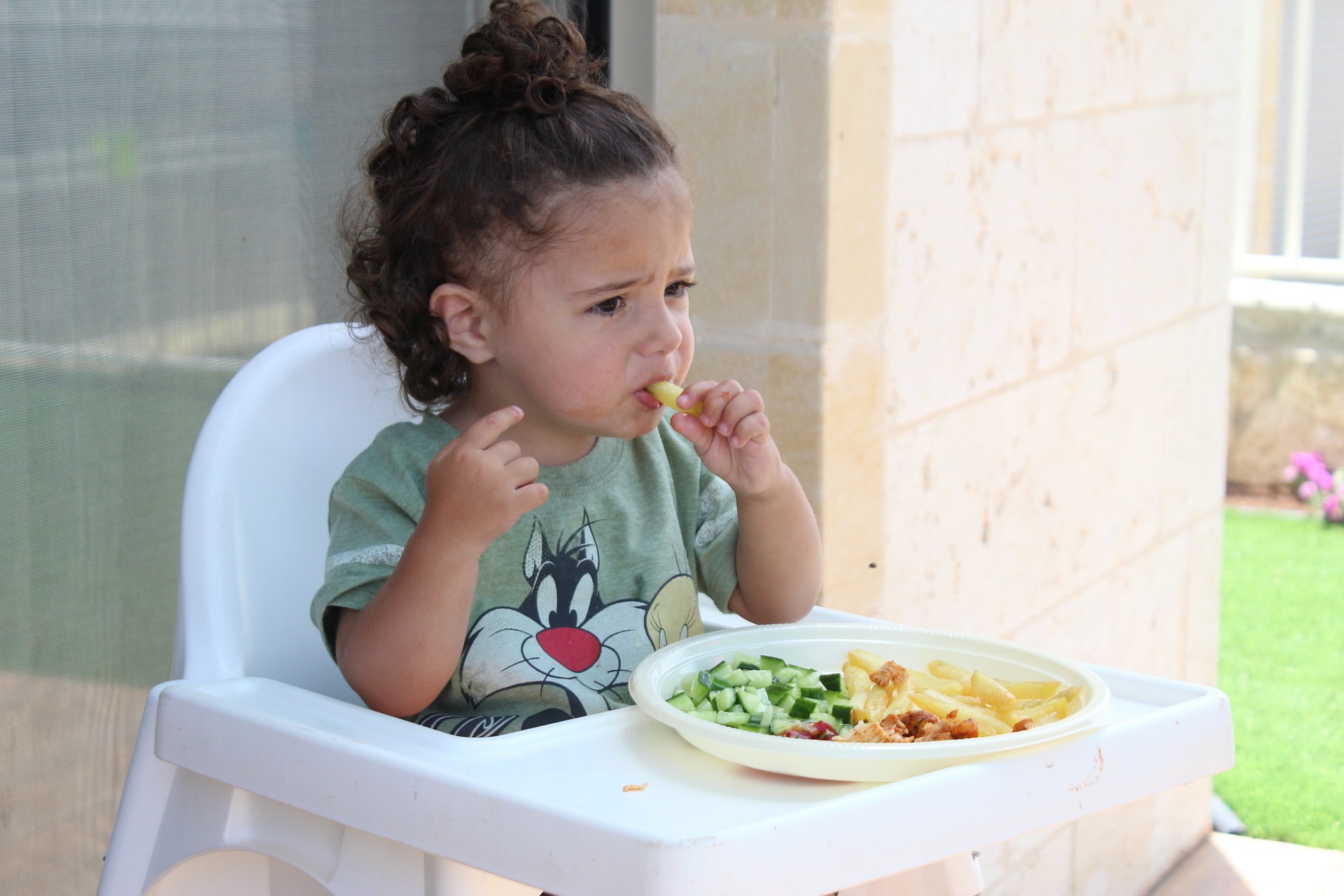
Encouraging healthy eating habits in children is paramount for their overall well-being and development. By instilling nutritious choices early on, we can set the foundation for a lifetime of good health. Introducing children to a variety of fruits, vegetables, whole grains, and lean proteins not only supports physical growth but also fosters cognitive function and emotional stability. In this guide, we’ll explore effective strategies to make healthy eating enjoyable and accessible for children, empowering them to make wholesome choices that nurture their bodies and minds.
Eat Together

Eating together as a family can significantly impact children’s eating habits. When families gather around the table, it creates a positive environment for sharing meals and fostering healthy eating behaviors. Research shows that children who eat with their families tend to have better diets, consume more fruits and vegetables, and develop stronger communication skills. Additionally, family meals provide an opportunity for parents to role model healthy eating habits and introduce new foods in a supportive setting. By prioritizing regular family meals, parents can cultivate a culture of health and togetherness that positively influences children’s dietary choices for years to come.
Replace Sweet Drinks With Low-Fat Milk
Swapping sweetened beverages for low-fat milk is a simple yet impactful way to promote healthy eating habits in children. Unlike sugary drinks, which often provide empty calories and contribute to weight gain and dental issues, low-fat milk is packed with essential nutrients like calcium, protein, and vitamin D, crucial for growing bodies. By making low-fat milk readily available and encouraging its consumption, parents can help children meet their daily nutritional needs while reducing their intake of added sugars. Moreover, milk can be a versatile addition to meals and snacks, from cereal to smoothies, offering endless opportunities to incorporate healthy dairy options into children’s diets.
Ensure A Healthy Breakfast
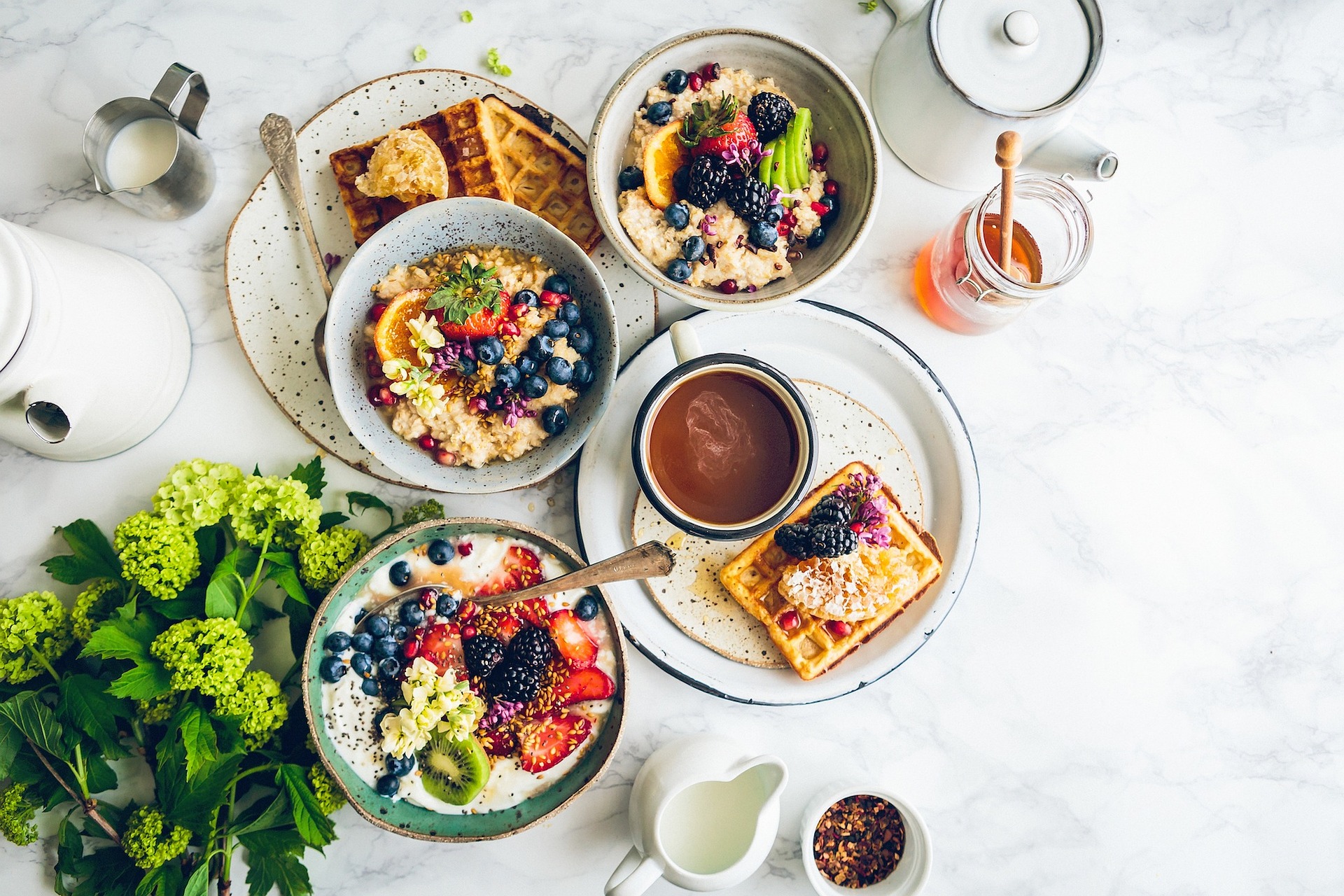
Ensuring a healthy breakfast sets the tone for the day and fuels children with the energy and nutrients they need to thrive. A balanced breakfast should include a combination of complex carbohydrates, protein, healthy fats, and fiber. Opt for whole grain cereals or breads, which provide sustained energy release, paired with protein sources like eggs, yogurt, or nut butter to keep kids feeling full and satisfied. Incorporating fruits or vegetables adds vitamins, minerals, and fiber to the meal. Parents can involve children in breakfast preparation, making it a fun and educational experience. By prioritizing a nutritious breakfast, parents help establish lifelong habits that support overall health and well-being.
Help Kids With Medical Diets
Supporting children with medical diets requires careful planning and collaboration between parents, healthcare providers, and educators. Here are some key strategies:
- Education and Awareness: Ensure that caregivers, teachers, and other adults involved in the child’s life are informed about the specific dietary requirements and restrictions. This includes understanding the medical condition, food allergies, intolerances, or sensitivities the child may have.
- Meal Planning and Preparation: Work with a registered dietitian or healthcare provider to develop a meal plan that meets the child’s nutritional needs while accommodating their medical diet. This may involve substituting certain ingredients, avoiding allergens, or following specific portion sizes.
- Label Reading: Teach children and caregivers how to read food labels to identify potential allergens or ingredients that are not allowed on their medical diet. This empowers them to make informed choices when selecting foods.
- Communication: Encourage open communication between children, parents, and caregivers about the child’s dietary needs. This helps prevent accidental exposure to allergens or non-compliant foods.
- Peer Support and Inclusion: Foster an inclusive environment where children with medical diets feel supported and included. Educate peers and classmates about the child’s dietary restrictions to prevent teasing or exclusion.
- Flexibility and Adaptability: Recognize that managing a medical diet can be challenging, and be flexible when unexpected situations arise. Provide alternative options or accommodations when needed.
- Routine Monitoring and Follow-Up: Regularly monitor the child’s growth, development, and adherence to their medical diet. Adjust the meal plan as necessary based on changes in the child’s health or nutritional needs.
By implementing these strategies and providing ongoing support, children with medical diets can effectively manage their condition while enjoying a happy and healthy childhood.
Healthy Snacks

Healthy snacks are essential for providing children with sustained energy and important nutrients between meals. Here are some nutritious snack ideas:
- Fresh Fruit: Offer a variety of fresh fruits such as apple slices, bananas, berries, grapes, or orange segments. Fruit provides vitamins, minerals, and fiber.
- Vegetable Sticks: Serve raw vegetable sticks like carrots, cucumber, bell peppers, or cherry tomatoes with hummus or yogurt dip. Vegetables are rich in vitamins, minerals, and antioxidants.
- Whole Grain Crackers or Rice Cakes: Choose whole grain options for crackers or rice cakes and pair them with cheese slices, nut butter, or avocado for a satisfying snack.
- Greek Yogurt: Opt for Greek yogurt, which is higher in protein, and top it with fresh fruit, granola, or a drizzle of honey for added sweetness.
- Nuts and Seeds: Provide a small handful of nuts or seeds such as almonds, walnuts, pumpkin seeds, or sunflower seeds for a dose of healthy fats, protein, and fiber.
- Homemade Trail Mix: Create a custom trail mix using a combination of nuts, seeds, dried fruits, and whole-grain cereals. Be mindful of portion sizes to control calorie intake.
- Hard-Boiled Eggs: Hard-boiled eggs are a convenient and protein-rich snack option. Sprinkle them with a pinch of salt and pepper for extra flavor.
These healthy snack options provide a balance of carbohydrates, protein, and healthy fats to keep children satisfied and energized throughout the day.
Dont Reward The Kids With Foods
Rewarding children with food can inadvertently reinforce unhealthy eating habits and emotional associations with eating. Instead, consider alternative ways to reward and encourage positive behavior:
- Praise and Recognition: Offer verbal praise, encouragement, and acknowledgment of achievements or good behavior. Positive reinforcement helps build self-esteem and confidence in children.
- Non-Food Rewards: Provide non-food rewards such as stickers, small toys, books, or privileges like extra playtime or choosing a family activity. These rewards can be motivating and enjoyable for children without promoting unhealthy eating habits.
- Quality Time: Spend quality time with your child engaging in activities they enjoy, such as playing games, reading together, or going for a walk. This fosters a strong bond and reinforces positive behavior through meaningful interactions.
- Celebrations and Special Events: Instead of using food as the focal point of celebrations or special events, focus on creating memorable experiences and traditions that don’t revolve around eating. For example, plan a fun outing or organize a craft activity.
- Encourage Intrinsic Motivation: Help children develop intrinsic motivation by highlighting the inherent satisfaction and sense of accomplishment that comes from achieving goals or completing tasks. Encourage them to set and work towards their own personal goals.
- Teach Healthy Coping Skills: Teach children healthy coping skills to manage emotions and stress without turning to food for comfort. Encourage activities like deep breathing exercises, journaling, or talking about their feelings.
By refraining from using food as a reward, parents can help children develop a healthy relationship with food and promote positive behaviors that extend beyond eating habits.
Add Colorful Vegetables And Fruits To Attract The Children
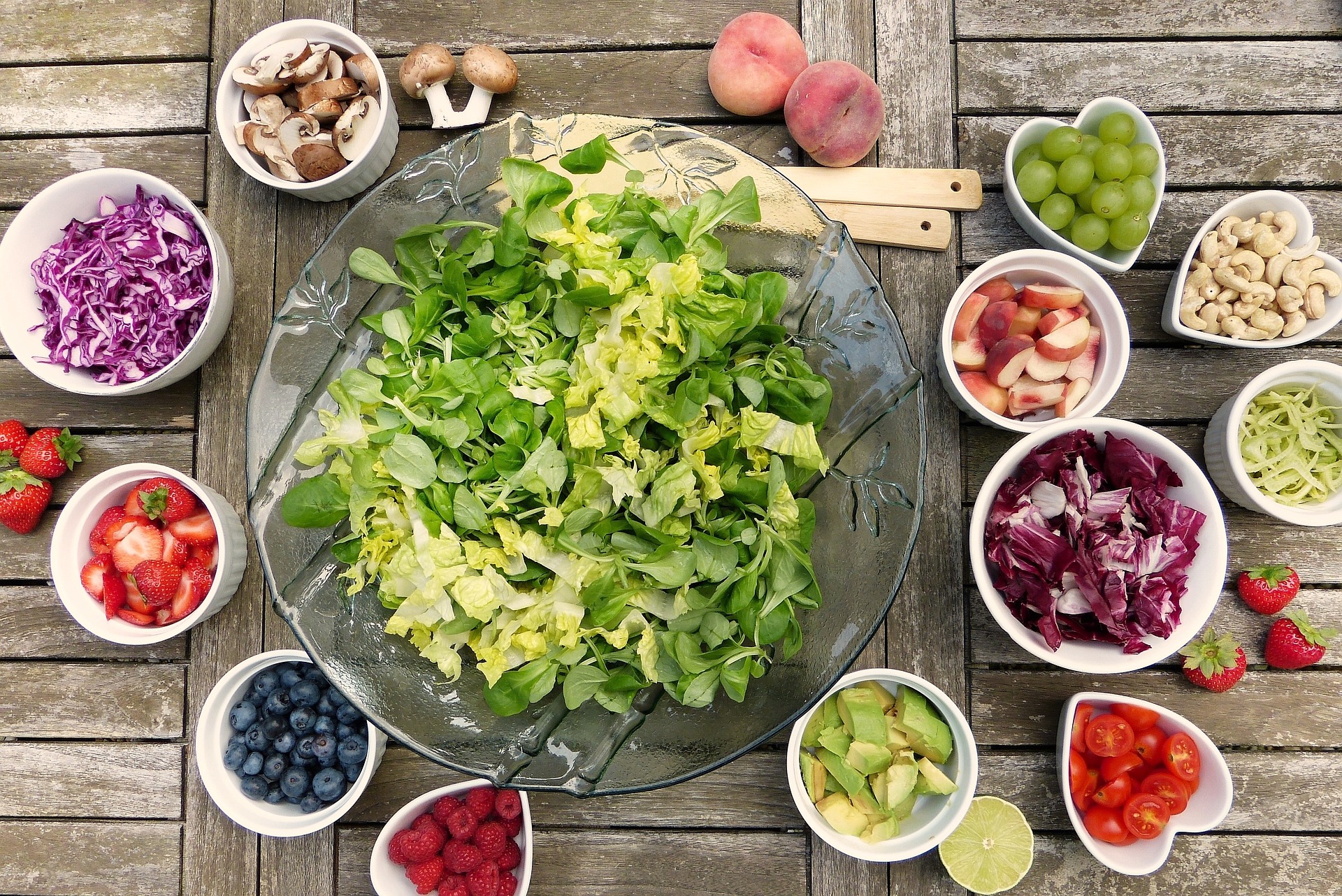
Incorporating colorful vegetables and fruits into meals not only adds visual appeal but also enhances nutritional value and encourages children to eat healthily. Brightly colored produce like bell peppers, carrots, berries, and mangoes are rich in vitamins, minerals, and antioxidants. Get creative by incorporating these vibrant ingredients into fun and visually appealing dishes like rainbow salads, fruit kebabs, or veggie-packed wraps. By making healthy foods visually exciting, children are more likely to be curious and adventurous with their eating, ultimately developing a lifelong appreciation for nutritious choices.
Turn Off The Screens While Having A Meal
Turning off screens during mealtime fosters better communication and promotes mindful eating habits for both children and adults. Without distractions from devices like smartphones, TVs, or tablets, families can focus on each other and engage in meaningful conversations. This practice encourages mindfulness around food, allowing everyone to savor flavors and textures while paying attention to hunger cues and portion sizes. Additionally, mealtime becomes an opportunity to bond and connect with loved ones, strengthening family relationships. By establishing screen-free meals as a regular habit, families can create a positive dining environment that promotes healthier eating habits and social interaction.
Allow Kids To Serve Themselves
It is an important activity to develop healthy eating habits in children. Allowing kids to serve themselves during meals empowers them to make independent choices and develop a healthy relationship with food. By giving children control over portion sizes and food selection, they learn to listen to their hunger cues and practice self-regulation. This approach encourages autonomy and fosters a sense of responsibility for their own nutrition. Additionally, it promotes mindful eating habits as children become more attuned to their preferences and satiety levels. While supervision and guidance are important, empowering children to serve themselves encourages positive eating behaviors and sets the stage for a lifetime of balanced eating habits.
Strategies To Encourage Healthy Eating In Childcare
Encouraging healthy eating in childcare settings is crucial for promoting the well-being and development of young children. Here are some effective strategies:
- Role Modeling: Childcare providers should serve as positive role models by demonstrating healthy eating habits and attitudes toward food.
- Nutrition Education: Incorporate age-appropriate nutrition education into the curriculum to teach children about the importance of healthy eating and the benefits of nutritious foods.
- Offer Variety: Provide a variety of healthy foods from different food groups, including fruits, vegetables, whole grains, lean proteins, and dairy products, to expose children to a range of flavors and nutrients.
- Family-Style Dining: Implement family-style dining where children serve themselves and engage in social interactions during meals. This promotes autonomy, fosters social skills, and encourages children to try new foods.
- Create a Positive Food Environment: Make mealtimes enjoyable by creating a pleasant dining environment with colorful tableware, decorations, and engaging conversations. Avoid pressuring or bribing children to eat certain foods.
- Involve Children in Meal Preparation: Encourage children to participate in meal preparation activities such as washing, chopping, or mixing ingredients. This not only teaches valuable cooking skills but also increases their interest in trying new foods.
- Healthy Snack Options: Offer nutritious snacks such as fresh fruits, vegetables with dip, whole grain crackers, cheese, or yogurt. Limit the availability of sugary or high-fat snacks and beverages.
By implementing these strategies, childcare providers can create a supportive environment that encourages healthy eating habits in children.
Related Post: Top 8 Educational Toys For Toddlers