

Effective communication is one of the foundational skills that every child needs to develop for a successful and fulfilling life. It involves much more than just speaking; it encompasses listening, understanding non-verbal cues like facial expressions and body language, and expressing thoughts clearly and confidently. Children who master communication skills tend to build stronger friendships, perform better academically, and navigate their emotions more effectively. This article exhibits communication skills development in kids, the role of parents and educators, common challenges, and useful resources to support this essential growth.
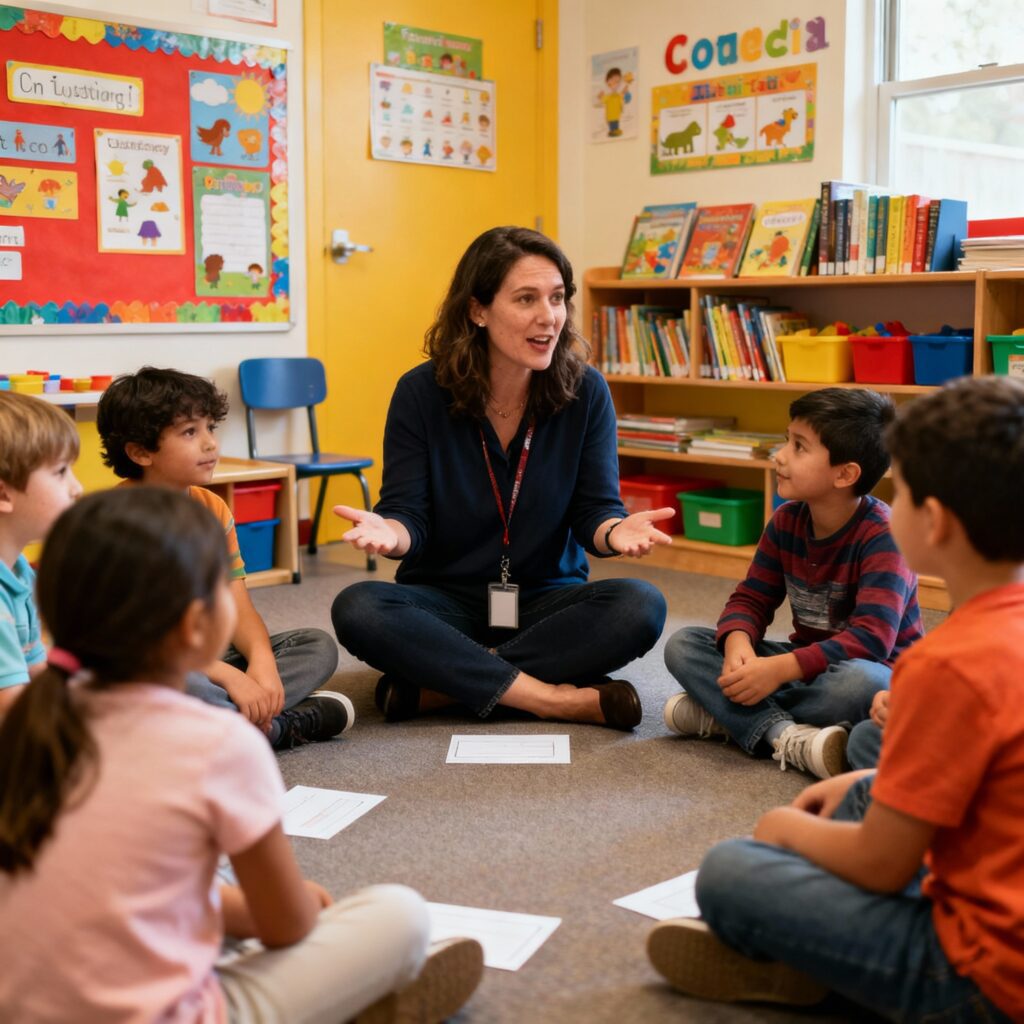
Understanding Communication Skills in Kids
Communication comprises several components: verbal skills (speaking clearly), non-verbal elements (gestures and facial expressions), and most importantly, active listening. While most people associate communication mainly with talking, listening and interpreting others’ messages are equally critical. Children may face challenges like shyness, difficulty organizing thoughts, or dominating conversations without listening. Recognizing these issues is the first step in helping children build well-rounded communication abilities.
Stages of Communication Development
Children develop communication skills in stages aligned with their growth:
-
Early Childhood (0-5 years): At this stage, kids learn basic sounds, words, and how to express needs and feelings through simple language and gestures.
-
Middle Childhood (6-12 years): Vocabulary expands, and children practice clearer speech, conversational turn-taking, and expressing opinions confidently.
-
Adolescence: Teens develop advanced skills like persuasive speech, empathetic listening, conflict resolution, and respectful expression of differing viewpoints.
Effective Techniques to Build Communication Skills
Several effective methods can be adopted for communication skills development in kids:
-
Active Listening Practice: Teach children to focus on the speaker, maintain eye contact, and ask relevant questions. Reinforce skills by encouraging them to repeat what they heard for clarity.
-
Clear Expression: Help kids articulate thoughts and feelings using “I” statements (“I feel,” “I think”) rather than blaming or vague expressions.
-
Role-Playing and Storytelling: Engage children in pretend play or story creation, which allows them to organize thoughts, practice vocabulary, and explore social scenarios like greetings or expressing emotions.
-
Conversation Games: Fun board games such as “Telephone” or “Simon Says” help practice listening, turn-taking, and verbal expression.
-
Asking Open-Ended Questions: Encourage more meaningful conversations by asking questions that require more than “yes” or “no” answers, like “What was the best part of your day?”
Role of Parents and Educators
Parents and educators play an important role for communication skills in kids:
-
Modeling: Children learn best by watching adults. Demonstrating clear speech, respectful listening, polite turn-taking, and empathy sets a strong example.
-
Creating a Supportive Environment: Establish family or classroom rules around respectful communication and encourage children to express themselves openly without fear of judgment.
-
Positive Reinforcement: Praise children when they communicate well, which boosts confidence and motivates continued effort.
-
Guidance and Feedback: Offer gentle reminders to maintain eye contact or use polite language. Correct inappropriate behaviors like interrupting or speaking rudely calmly and constructively.
Practical Activities to Enhance Communication
Activities are an enjoyable and practical way to develop communication:
-
Pretend Play and Puppets: Simulating real-life social situations or using puppets to tell stories encourages expression and creativity.
-
Group Projects and Team Games: Collaborative tasks teach kids to negotiate, listen, share ideas, and work towards common goals.
-
Art and Craft: Art allows children to express emotions visually, which can be followed by discussions where they explain their creations.
-
Outdoor Team Activities: Sports and group games naturally require communication, cooperation, and leadership.
Common Barriers and How to Overcome Them
Some children face obstacles in their communication journey:
-
Shyness and Social Anxiety: Gradual exposure to social interactions and encouragement help shy children build confidence.
-
Speech and Language Disorders: Early diagnosis and working with speech therapists or specialists are critical for overcoming these difficulties.
-
Cultural and Language Differences: Children from diverse backgrounds may need tailored support to navigate different communication styles and languages.
Tracking Progress and Celebrating Milestones
Monitoring communication growth keeps children motivated and parents informed:
-
Set small, achievable goals like starting a conversation with a peer or sharing a story at dinner.
-
Celebrate successes big and small to build self-esteem and reinforce positive behavior.
-
Observe improvements in everyday settings such as school, home, or playdates to gauge development.
Useful Tools and Resources
Several tools can aid communication skill development:
-
Educational Books and Apps: Many focus on language development and social skills through interactive content.
-
Social Clubs and Playgroups: These provide natural settings for practicing conversations.
-
Professional Support: Speech therapists and counselors can offer specialized strategies for children needing extra help.
Conclusion
This was all about communication skills development in kids. Developing effective communication skills is essential to a child’s overall growth and future success. By understanding the stages of development, actively practicing through engaging activities, and fostering a positive environment, parents and educators can guide children toward confident and clear expression. Overcoming challenges early and celebrating progress ensures communication becomes a natural, enjoyable part of a child’s life, preparing them for strong relationships and effective learning in the years ahead. Communication skills learned today will benefit children for a lifetime.
More: Building Self-Esteem in Children: Unlocking Confidence and Potential